
Skincare
What is GHK-Cu?
A copper-binding peptide with a fifty-year research history — and a realistic account of what it does.
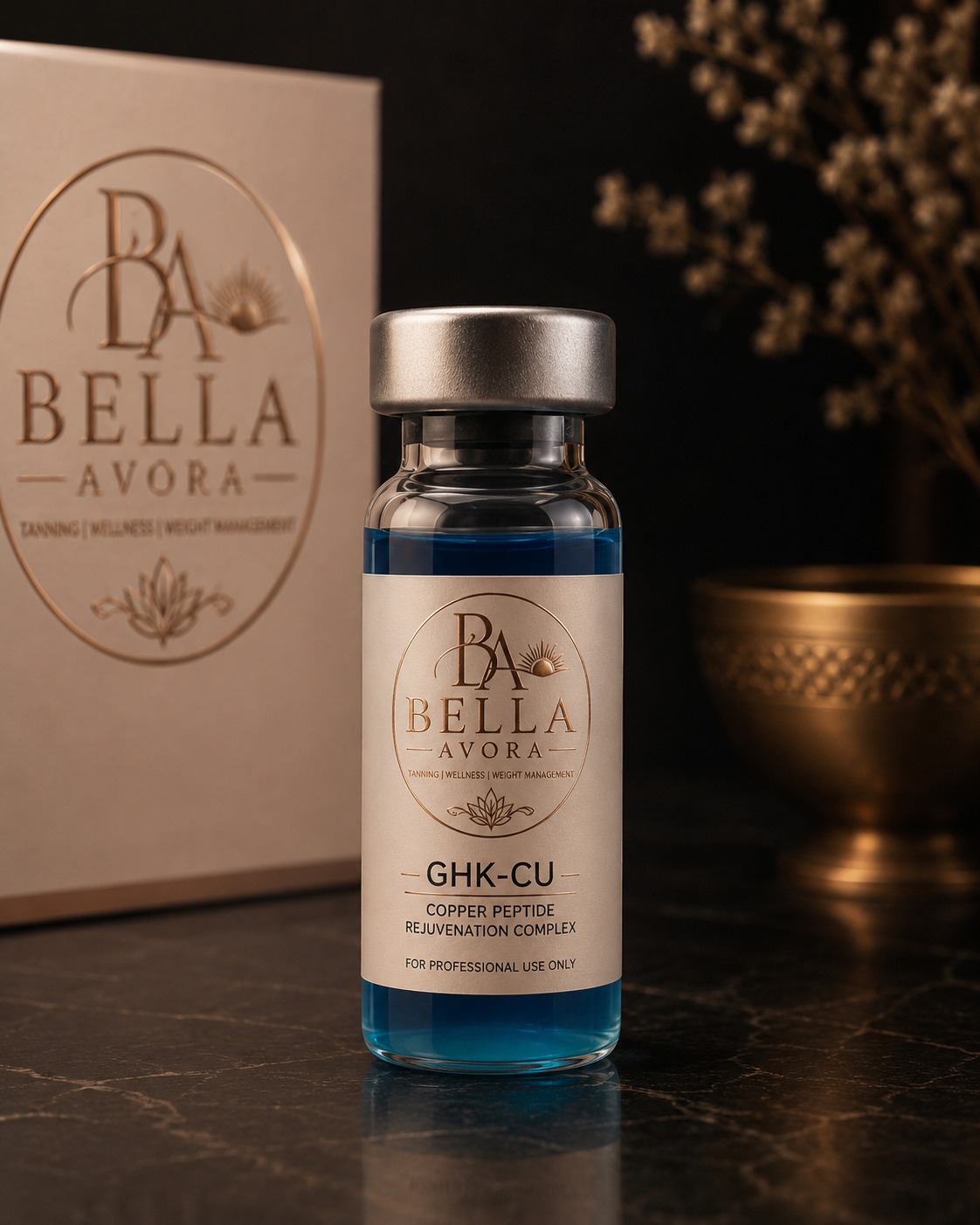
The molecule
GHK is a tripeptide — glycine, histidine, lysine — that binds copper with high affinity to form GHK-Cu, copper tripeptide-1. It occurs naturally in human plasma, saliva and urine. Plasma levels are reported to decline substantially between early adulthood and later life, which is part of why it attracted attention as a repair signal.
What it appears to do
Research points to several overlapping mechanisms: stimulation of collagen and elastin synthesis, influence over the enzymes that remodel the extracellular matrix, modulation of inflammatory signalling, and antioxidant activity. In wound-healing models it has been studied for its effect on tissue regeneration.
What the clinical evidence looks like
Human studies on cosmetic use are mostly small, and often industry-funded. They generally report improvements in firmness, fine lines and skin density over eight to twelve weeks. That is a genuine signal, but it is a modest one, and it is not comparable in weight to the evidence base behind retinoids or sunscreen.
Using it sensibly
Apply to clean, slightly damp skin, then moisturise. Keep it away from strong acids and high-strength vitamin C in the same layer, since these can destabilise the copper complex — separate them morning and night. Patch test first. Give it three months before judging.
What it is not
It is a cosmetic ingredient, not a medicine. It does not treat any medical condition, and topical application is not a substitute for sun protection, which remains the single most effective anti-ageing intervention available.
General information only. This article is not personal medical advice. Speak to a prescriber, pharmacist or your GP about your own circumstances.
